

Everest Base Camp Fixed Departure Group Join Trek
5th Mar, 2019
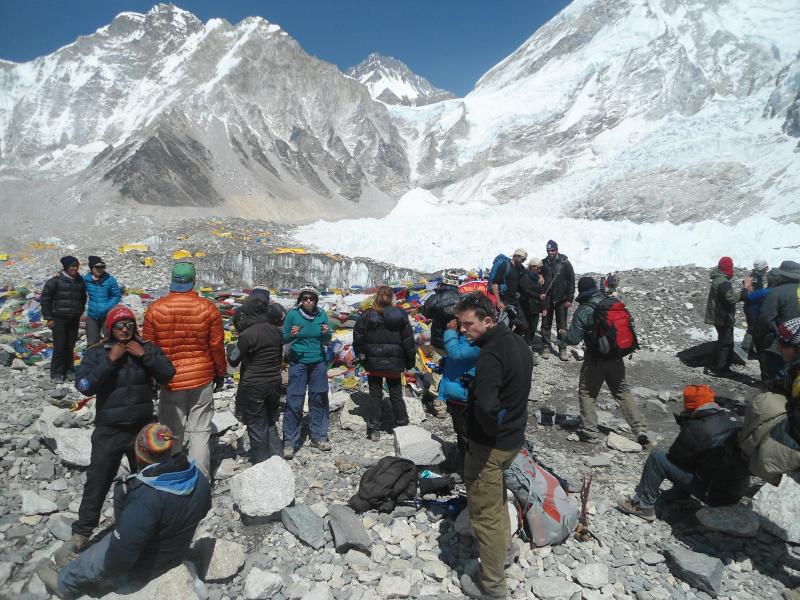
The Everest Base Camp Trek is one of the most famous trekking destinations in the world and is on the bucket list of many adventure travelers. Our Everest Base Camp Fixed Departure Group Join Trek is an excellent option for solo trekkers who want to join a group to reduce costs, enjoy nature, experience the local culture, admire breathtaking views, and share stories and experiences with fellow trekkers.
Table of Contents
Booking a guaranteed departure group join trek to Everest Base Camp is available throughout the main trekking seasons, from September to December and February to May. Reserve your place in advance to secure your travel dates and group support by clicking on the Everest Base Camp Group Join Trek. There, you can find all available departure dates. You can depart from Kathmandu with confidence, knowing that the journey is well organized with fellow travelers and experienced local guides who coordinate every detail along the route.
Trekking is not only about visiting new places; it is also an opportunity to meet people from around the world and make new friends. Therefore, we offer fixed departure treks for the Everest Base Camp Trek. By joining a fixed and guaranteed departure group, you not only feel safe along the route but also enjoy fun, convenience, security, and social interaction as part of a guided group tour.
Everest Base Camp Fixed Departure Group Trek – Itinerary
Day 01: Arrival at Kathmandu Airport, greeting, and transfer to the hotel
Day 02: Flight to Lukla (2,800 m) and trek to Phakding (2,610 m)
Day 03: Trek to Namche Bazaar (3,440 m)
Day 04: Acclimatization day at Namche Bazaar (3,440 m)
Day 05: Trek to Tengboche (3,860 m)
Day 06: Trek to Dingboche (4,410 m)
Day 07: Acclimatization day at Dingboche (4,410 m)
Day 08: Trek to Lobuche (4,940 m)
Day 09: Trek to Gorakshep (5,180 m) and hike to Everest Base Camp (5,363 m)
Day 10: Trek to Pheriche (4,250 m)
Day 11: Trek to Namche Bazaar (3,440 m)
Day 12: Trek to Lukla (2,800 m)
Day 13: Fly back to Kathmandu
Day 14: Final departure to your home country

Everest Base Camp Fixed Departure Group Join Trek – Cost
The cost of the Everest Base Camp Fixed Departure Group Join Trek is USD 1,395 per person for a group, with a minimum of two participants required for the above itinerary. This cost covers all logistics according to the itinerary, from your arrival to departure in Kathmandu. It includes all transportation, single accommodation in Kathmandu, twin-sharing accommodation during the trek, three meals per day (breakfast, lunch, and dinner, along with one cup of tea or coffee per meal), a guide, a porter, and all required permits for the trip.
Please note that the cost does not include travel insurance, internet access, hot showers, device charging, and drinking water during the trek. The total cost may vary depending on several factors, including group size, whether the trek is private, your preferred level of comfort, choice of transportation, and standard of accommodation.
We always strive to provide affordable and transparent pricing with the best possible service, ensuring that every trekker feels the value of their investment when traveling with us.
Everest Base Camp Fixed Departure Group Join Trek – Benefits
Choosing a fixed departure group trek to Everest Base Camp with High Pass Adventure comes with several advantages. These include reduced costs through shared expenses for accommodation, transportation, guides, and porters, as well as hassle-free planning and the reassurance of professional guidance.
It also enhances the overall experience by allowing you to connect with fellow trekkers, making the journey not just a trek but a shared adventure filled with motivation, safety, and unforgettable memories. During the Everest Base Camp trek, group members can discover the best photography spots, share stories and local history, and support each other along the way.
Since the trek involves high elevations, trekkers may face various challenges, and being part of a group provides additional safety, encouragement, and assistance throughout the journey.
Why Book the Everest Base Camp group Join Trek with High Pass Adventure?
Booking the Everest Base Camp group join trek with High Pass Adventure offers several advantages. We guarantee fixed departures, even for single trekkers, based on your preferred timeframe. Our group join treks are ideal for solo travelers, while private treks can be fully customized to match your schedule, budget, and preferences.
Our pricing for the Everest Base Camp fixed departure group trek is reasonable and transparent. We provide all necessary information before booking via WhatsApp, Viber, Facebook, and email, making it easy for you to plan your trek with confidence.
Your safety is our top priority. Our guides are trained in first aid and are always ready to assist trekkers with any problems, ensuring a secure and stress-free journey.
We offer excellent service both in Kathmandu and along the trekking route. With a 99% success rate, our clients complete the Everest Base Camp group join trek safely and enjoyably. After the trek, you will leave with a strong sense of achievement and unforgettable memories, making it an experience worth recommending to others.
Private Trek to Everest Base Camp
We not only offer fixed departure group treks but also provide private treks to Everest Base Camp for individuals or groups who prefer a more personalized experience. Private treks are designed around your own pace, fitness level, vacation time, and budget, giving you greater flexibility throughout the journey. This option allows you to decide when to walk, rest, or stop, making the experience more comfortable and tailored to your needs.
A private trek also allows for closer communication with your guide, ensuring better support, safety, and attention throughout the journey. Many trekkers find private trekking more enjoyable and rewarding than group travel, as it offers greater freedom, privacy, and flexibility while still maintaining high safety standards.
Best Time for Everest Base Camp Fixed Departure Group Join Trek
The best times for the Everest Base Camp fixed departure group join trek are spring (March to May) and autumn (September to November). These seasons offer the most favorable weather conditions, with minimal rain and snow, and moderate temperatures that are neither too cold nor too hot. This makes them ideal for trekking, with clear skies and excellent visibility for enjoying the breathtaking views of the Himalayas.
These months also provide safer and more comfortable trekking conditions, making the journey to Everest Base Camp more enjoyable. In addition, since many trekkers plan their trips during these popular seasons, it is easier to find others traveling on the same dates, making group join treks more convenient and accessible.
Preparation for Everest Base Camp Fixed Departure Group Join Trek
Proper preparation is essential for the Everest Base Camp Fixed Departure Group Join Trek, as the route passes through remote areas at high altitude, far from your home country.
To join a group trek, you need a flexible schedule and sufficient vacation time. Good physical fitness is important, as you should be able to walk 5 to 8 hours per day at high elevation. Prior training, such as hiking or cardio exercises, will help you adapt better to the trek.
It is also important to pack appropriate gear for rain and cold weather, including warm clothing and reliable trekking equipment. In addition, travel insurance is highly recommended to ensure a safe, memorable, successful, and enjoyable trekking experience.
Group Sizes in Fixed Departure EBC Trek
Group size is important for solo trekkers to understand. In our fixed departure dates, the group size is a minimum of two people (including you) and a maximum of ten for the Everest Base Camp Fixed Departure Trek. This balance ensures both social interaction and manageability during the journey. Smaller groups (4–6 people) offer a more personalized experience, allowing closer interaction with guides and greater flexibility in pace. On the other hand, slightly larger groups (7–10 people) create a lively, social atmosphere where trekkers can share experiences, motivate each other, and build strong camaraderie along the trail. We usually assign at least one licensed guide for groups of 2 to 6 people and one assistant guide for groups of 7 to 10 people, ensuring that everyone receives proper support.
The group size also directly affects logistics, safety, and overall comfort during the trek. Smaller groups can move more efficiently, secure better accommodation in teahouses, and adapt more easily to weather conditions or individual needs. Larger groups, while sometimes slower, benefit from a stronger support system, including additional porters and more structured planning. We carefully manage group sizes to maintain safety, especially for acclimatization and high-altitude conditions. Ultimately, choosing the right group size depends on personal preference—whether you value a quieter, more flexible journey or a more social and team-oriented trekking experience.
Safety measures and acclimatization strategies are followed during the trek
Safety is a top priority during the Everest Base Camp trek, and several measures are followed to ensure trekkers remain secure throughout the journey. Experienced, licensed guides lead the group and continuously monitor weather conditions, trail status, and the physical condition of each trekker. Regular health checks are carried out to identify early symptoms of altitude sickness, fatigue, or dehydration. In addition, trekking teams maintain a controlled walking pace, avoid risky shortcuts, and ensure proper communication at all times. Emergency protocols, including evacuation plans via helicopter, are also in place in case of serious altitude-related or medical issues.
Acclimatization is carefully managed to help the body adjust gradually to high altitude and reduce the risk of Acute Mountain Sickness (AMS). The trek itinerary includes planned rest and acclimatization days, commonly in key locations like Namche Bazaar and Dingboche. During these days, trekkers often take short hikes to higher elevations and return to sleep at lower altitudes, following the “climb high, sleep lows” principle. Hydration, proper nutrition, and adequate rest are strongly emphasized throughout the trek. Guides also educate trekkers on recognizing symptoms of altitude sickness, ensuring timely response and safe continuation of the journey.
Packing List for Everest Base Camp Fixed Departure Group Join Trek
It is important to know the right packing list for the Everest Base Camp Fixed Departure Group Join Trek, as you will be traveling far from your home country and trekking at high altitude. Therefore, you should carefully pack your belongings before your journey. Below is a general list of necessary items. We understand that it may feel like too much to carry from your home country, so it is recommended to pack light. Some equipment can also be hired or purchased in Kathmandu, especially around the Thamel area.
These general items are suitable for trekking in Nepal across different seasons. However, the required gear may vary depending on the season and the duration of your chosen trekking route.
Documents:
- Passport
- Travel insurance details (in case emergency evacuation is needed)
- Cash (USD)
- Credit/Debit Card (ensure you have at least $500 available in case emergency helicopter evacuation is needed)
Sleeping:
- Sleeping bag (comfort rating: -15°C recommended)
Footwear:
- Trekking boots (one pair, lightweight)
- Sandals (for city use and teahouse wear)
- Shoes for travel (plane and teahouses – optional)
- Thin, lightweight inner socks
- Thick, warm wool hiking socks
Clothing (Body):
Please ensure you bring non-cotton clothing for trekking:
- Base-layer T-shirts (e.g., running shirts)
- Fleece or windproof jacket
- Waterproof jacket
- Down jacket for warmth
- Underwear
- Base-layer trousers (optional)
- Waterproof trousers
- Trekking trousers
- Trekking shorts (optional)
- Gloves, wool hat and sun hat
- Bandana or scarf
Health Requirements (Basic First Aid Kit):
- First-aid kit including lip balm, aspirin, band-aids, antihistamines, and Imodium (or similar anti-diarrhea tablets)
- Rehydration powder
- Any personal prescription medications (if applicable)
- Wet wipes (can also be purchased in Kathmandu)
Others:
- Sunglasses and sunscreen
- Towel
- Travel wash
- Hand sanitizer and wet wipes
- Water bottle / thermos / hydration bag (at least 2L; Nalgene bottles are recommended)
- Water purification tablets or filter
- Head torch
- Charging cable
- Power bank or small travel solar panel
General Toiletries:
- Toilet paper / tissues
- Contact lenses and glasses (if needed)
- Toothbrush and toothpaste (preferably biodegradable)
- Multipurpose soap (preferably biodegradable)
- Nail clippers
- Face and body moisturizer
- Feminine hygiene products
- Antibacterial hand wash
Optional Items:
- Trekking poles
- Large plastic bags (to keep items dry inside your duffel bag)
- Travel games (e.g., chess, backgammon, Scrabble)
- Binoculars
Everest Base Camp Fixed Departure Group Join Trek – FAQ
What is a Fixed Departure Group Join EBC Trek?
A Fixed Departure Group Join Everest Base Camp (EBC) Trek is a pre-scheduled trekking package with fixed departure dates where solo travelers or small groups can join other trekkers who have the same suitable timeframe.
This type of group join trek is ideal for solo travelers and budget trekkers because participants share many of the trekking expenses, such as guide, porter, and accommodation costs during the trek. It is also a great way to meet other trekkers and enjoy the Everest Base Camp experience together.
Who can join the Fixed Departure Group Join Everest Base Camp (EBC) Trek?
Anyone can join the Fixed Departure Group Join Everest Base Camp (EBC) Trek, including solo travelers and small groups, as long as they have a suitable timeframe for the scheduled departure.
Participants should have basic fitness, a positive mindset, and a love for trekking with a group. No prior high-altitude trekking experience is required, but proper preparation is important. This includes packing suitable trekking gear, understanding the itinerary, and having enough stamina for 5 to 8 hours of walking each day in high-altitude terrain.
What is the group size for the Fixed Departure Group Join Everest Base Camp (EBC) Trek?
In our Fixed Departure Group Join Everest Base Camp (EBC) Trek, group sizes usually range from 2 to 10 trekkers. The group size depends on the trekking season, departure date, and the number of trekkers joining the trip.
Our itinerary and pricing are carefully designed to be reasonable, comfortable, and suitable for all trekkers.
How difficult is the Everest Base Camp Trek with a group?
The Everest Base Camp Trek is generally considered a moderate to challenging trek. Trekking with a group can sometimes create additional challenges. For example, some trekkers may walk faster or slower than others, some people may snore while sharing accommodation, and occasionally a group member may experience health problems and need to return early.
The main challenges of the trek are the high altitude (up to 5,364 meters), long walking days of 5–7 hours, and changing weather conditions. Therefore, trekkers should be physically fit, mentally prepared, and have some flexibility in their schedule to successfully complete the Everest Base Camp Trek.
When are fixed departure dates available for the Everest Base Camp Trek?
Fixed departure dates for the Everest Base Camp Trek are mainly available during the main trekking seasons: March to May and September to November. During these months, we usually have fixed departure dates every week, which means there are around 4 to 5 departure dates each month.
These seasons are considered the best time for the Everest Base Camp Trek because of the stable weather, clear mountain views, and favorable trekking conditions. Many travelers visit Nepal during this time to complete the Everest Base Camp Trek.
Where does the Everest Base Camp Trek start?
The Everest Base Camp Group Join Trek begins with a scenic flight from Kathmandu to Lukla. After arriving in Kathmandu, trekkers usually spend one night in the city before taking the flight to Lukla.
Once you arrive in Lukla, the trek starts by walking through beautiful Sherpa villages such as Phakding, Namche Bazaar, Tengboche, Dingboche, Lobuche, and Gorakshep before reaching Everest Base Camp.
After completing the trek, you will return to Lukla and take a flight back to Kathmandu.
Are you interested on any of your travel serveices?
Make Inquiry NowRecent From Blog
15th Jun, 2023
21st Feb, 2021
28th Feb, 2018
5th Sep, 2023

13th May, 2019
19th Feb, 2019
8th Feb, 2021
21st Jan, 2021
29th Jul, 2020
3rd May, 2019
30th Apr, 2020

3rd Apr, 2020
17th Jul, 2020
26th Mar, 2020
31st Mar, 2020
19th Jun, 2023
11th Feb, 2020
11th Mar, 2020
27th Sep, 2019
17th May, 2019
26th Jul, 2020
6th May, 2019
5th Mar, 2019
7th Mar, 2020
18th Feb, 2019
12th Sep, 2019

27th Mar, 2018
27th Mar, 2019
2nd Mar, 2019
16th Jan, 2019

1st Jul, 2023
5th Jul, 2023

5th Jul, 2023

5th Jul, 2023

5th Jul, 2023
5th Dec, 2019
6th Jan, 2019
28th Feb, 2018
9th Dec, 2018
11th Dec, 2018

5th Oct, 2023

3rd Jan, 2024
.jpg)
27th Jan, 2024
29th Jan, 2024
19th Jan, 2025

7th Feb, 2025

17th Feb, 2025
9th Mar, 2025

15th Mar, 2025

18th Mar, 2025

23rd Mar, 2025

25th Mar, 2025

26th Mar, 2025

24th Apr, 2025

21st May, 2025

21st May, 2025

22nd Jun, 2025

22nd Jun, 2025
4th Jul, 2025

14th Jul, 2025

14th Sep, 2025
26th Sep, 2025
20th Dec, 2025
28th Jan, 2026
17th May, 2026
18th May, 2026
2nd Jun, 2026
7th Jun, 2026
9th Jun, 2026
13th Jun, 2026
14th Jun, 2026
2nd Jul, 2026
7th Jul, 2026
16th Jul, 2026
25th Jul, 2026

2nd Aug, 2026
5th Aug, 2026
9th Aug, 2026